

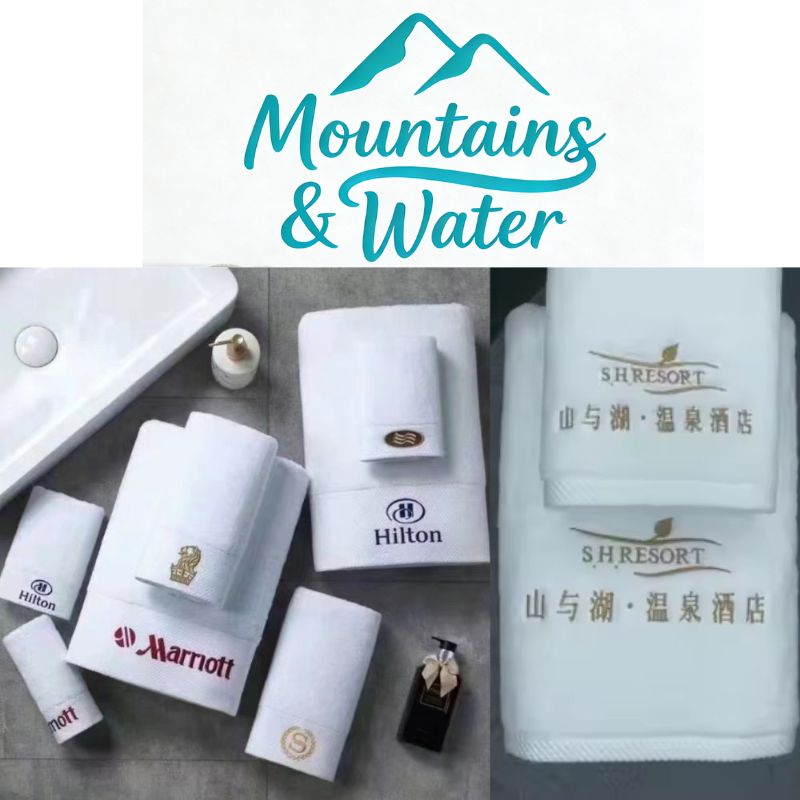
beach towel manufacturer
Understanding the Beach Towel Manufacturing Process
The beach towel, an essential accessory for any beach outing, combines functionality with style. The manufacturing process of these towels involves several stages, each crucial in ensuring the final product meets consumer expectations.
Material Selection
The first step in producing high-quality beach towels is the selection of materials. Cotton and microfiber are among the most popular choices due to their absorbency and softness. While cotton offers a luxurious feel, microfiber tends to dry faster and is lighter, making it an ideal option for travelers.
Weaving Techniques
Once the materials are chosen, the weaving process commences. Towels can be woven using different techniques, which impacts their texture and durability. Common methods include:
- Terry Cloth Weave: This technique creates loops that enhance absorbency, making it a preferred choice for beach towels.
- Jacquard Weave: Allowing intricate designs, this method enables manufacturers to produce vibrant patterns and styles.
- Velour Finish: A soft, cut-pile surface that adds a luxurious touch but may reduce absorbency slightly.
Dyeing and Printing
After the towels are woven, the next important phase involves dyeing and printing. Various dyeing methods, such as reactive dyeing and pigment dyeing, are employed based on the desired colorfastness and vibrancy. This process allows manufacturers to create unique designs that cater to different consumer preferences, reinforcing branding opportunities for companies like Mountains & Waterl.
Finishing Processes
To ensure the towels are ready for market, finishing processes take place. These may include:
- Edging: Reinforcing the edges to prevent fraying and enhance durability.
- Sanitizing: To eliminate any bacteria or odors from the manufacturing process.
- Labeling: Including care instructions and branding information often plays a critical role in consumer awareness.
Quality Control Measures
Quality control is an indispensable part of the manufacturing process. Regular inspections at various stages ensure that the towels meet established standards for absorbency, strength, and appearance. Inconsistent quality not only affects customer satisfaction but also tarnishes the brand's reputation. Manufacturers employ both manual and automated testing methods to maintain rigorous quality check protocols.
Market Trends and Consumer Preferences
In recent years, there has been a notable shift in consumer preferences towards eco-friendly products. As a result, many manufacturers are exploring sustainable materials and practices, aiming to align with environmental values without compromising on quality. Organic cotton and recycled fibers are increasingly being integrated into production lines, reflecting a growing demand among eco-conscious consumers.
Distribution Channels
Once beach towels are manufactured, they must be effectively distributed to reach the end consumer. Various channels exist, including:
- Online Retailers: The rise of e-commerce platforms has massively transformed distribution strategies, allowing brands to effectively reach global audiences.
- Brick-and-Mortar Stores: Traditional retail locations still play a vital role, particularly in tourist-heavy areas where consumers prefer tactile experiences before purchase.
- Wholesale Partnerships: Collaborating with resorts, hotels, and gyms can provide bulk sales opportunities, enhancing visibility and brand recognition.
Future of Beach Towel Manufacturing
As technology advances, the future of beach towel manufacturing looks promising. Innovations in textile production, such as digital printing and smart fabrics, are set to revolutionize how towels are designed and produced. Moreover, the ongoing emphasis on sustainability indicates a significant shift in the industry, pushing manufacturers to innovate while adhering to eco-friendly practices.
In conclusion, the journey from raw materials to finished beach towels encompasses a multitude of steps, each contributing to the product's overall quality and appeal. Recognizing these processes allows consumers to appreciate the intricacies involved in their everyday items, making informed choices that resonate with their lifestyle needs.