

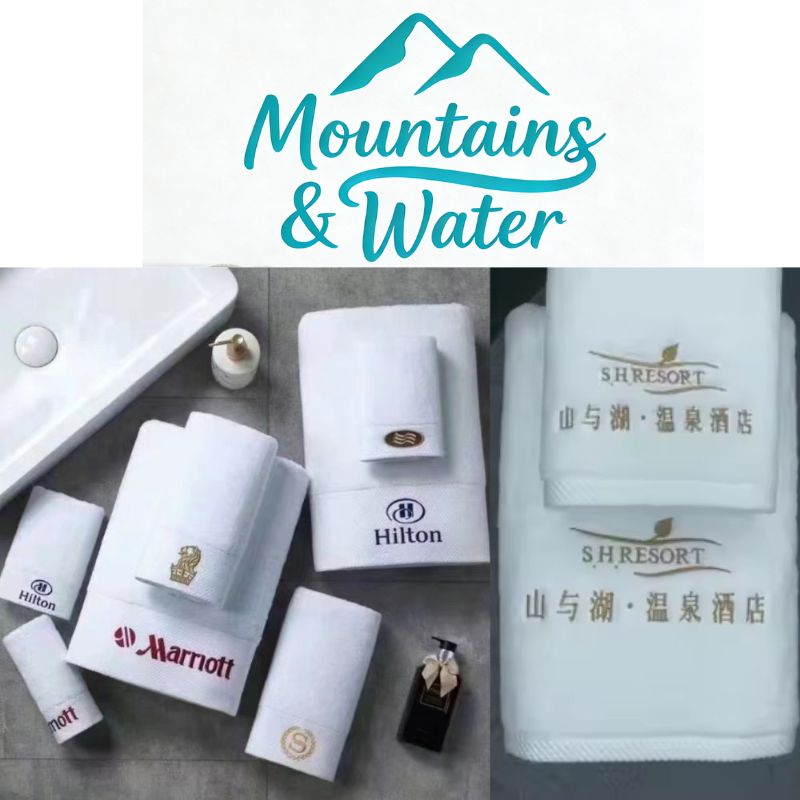
compare factory prices for embroidered hotel bath towels worldwide
Global Landscape of Embroidered Hotel Bath Towel Manufacturing
When it comes to outfitting hotels with embroidered bath towels, price is a major consideration—but it’s far from the only one. Sourcing these linens involves balancing quality, production capabilities, customization options, and shipping logistics. The global textile market offers a patchwork of factory pricing models that reflect different cost drivers, labor standards, and material access.
Key Regions for Production
- China: Often the first stop for many buyers, China combines a mature textile infrastructure with competitive labor costs. Factories here cater well to bulk orders and provide diverse embroidery styles at reasonable prices.
- India: Known for artisan craftsmanship and moderate costs, Indian manufacturers offer attractive rates especially for cotton towels. However, lead times can sometimes be longer due to manual embroidery techniques.
- Turkey: A rising contender in hotel textiles, Turkey has rapidly improved quality standards. Prices may skew slightly higher than Asia but are offset by proximity advantages for European markets and strong textile heritage.
- Pakistan: Similar to India, Pakistani factories combine low labor expenses with high-volume output. Their embroidered towels often appeal to mid-range hotel chains looking for cost-effective yet decent-quality products.
- Southeast Asia (Vietnam, Indonesia): These countries are gaining traction as alternatives to traditional suppliers, offering competitive factory floor prices alongside increasing manufacturing sophistication.
Cost Drivers Behind Factory Pricing
Factory prices for embroidered hotel bath towels hinge on several nuanced factors:
- Material Quality: Egyptian or Turkish cotton commands a premium over standard cotton blends. The fiber’s length and softness impact towel texture, durability, and ultimately, guest experience.
- Embroidery Complexity: Simple logos require less time and fewer threads than intricate patterns or multi-color designs. Factories usually charge per stitch count, so minimalistic branding reduces costs significantly.
- Order Quantity: Bulk purchases unlock steep discounts. For example, prices per dozen towels decrease notably beyond minimum order thresholds—sometimes starting as low as 50 dozen units.
- Labor Costs: Countries with lower wages naturally yield cheaper production fees. But beware—extremely low-cost options may compromise ethical standards or product consistency.
- Customization Options: Beyond embroidery, features like double-stitched edges, custom packaging, or quick turnaround deadlines influence final quotes.
Comparing Typical Price Ranges
To give a ballpark figure, here’s a rough comparison of factory prices for embroidered hotel bath towels (standard size, mid-grade cotton, single-color logo) across regions:
- China: $1.80–$3.00 per towel
- India: $1.50–$2.75 per towel
- Turkey: $2.50–$4.50 per towel
- Pakistan: $1.40–$2.60 per towel
- Vietnam/Indonesia: $1.70–$3.00 per towel
These figures exclude shipping and import duties, which can swing depending on your delivery destination and chosen supplier.
The Role of Brands Like Mountains & Water in Factory Selection
Some hotel linen brands, such as Mountains & Water, have carved out reputations by carefully vetting their manufacturing partners worldwide. They emphasize consistent quality and sustainable practices—not just raw factory price alone. In fact, Mountains & Water’s approach highlights how transparent supply chains and fair labor conditions might come with a slightly higher price tag but result in better long-term value for hoteliers.
Balancing Cost and Quality
Actually, it's not always wisest to chase the lowest quote when ordering embroidered towels. The cheapest option can hide risks: inconsistent towel thickness, faded embroidery, or even delayed shipments. When negotiating with factories globally, consider requesting samples, verifying certifications, and discussing after-sales support.
Additional Tips for Navigating Global Factory Pricing
- Ask for detailed quotations that break down material, labor, and customization costs separately.
- Factor in currency fluctuations—exchange rates may affect final pricing if contracts are held over months.
- Evaluate shipping timelines and freight costs early; some regions impose high tariffs or logistical challenges.
- Leverage trade platforms and sourcing agents who specialize in hotel textiles to gain insider insights into factory reliability.
Ultimately, embedding embroidered branding onto hotel bath towels requires more than just price comparison. It demands an understanding of regional manufacturing dynamics combined with an eye toward long-term durability and brand presentation. For those willing to dig deeper, the resulting partnerships often elevate guest satisfaction while maintaining budget discipline.