

custom logo Turkish beach towels woven cotton blend striped beach towel factory China
Textile Composition and Benefits of Woven Cotton Blend Turkish Beach Towels
Turkish beach towels, traditionally known as peshtemals or foutas, have evolved significantly with the integration of woven cotton blends. Combining natural cotton fibers with synthetic materials or other natural fibers enhances durability, absorbency, and softness, catering to modern consumer demands without compromising the classic lightweight design.
The incorporation of woven cotton blends results in a fabric that balances breathability and quick-drying properties—a crucial factor for beach towels subjected to frequent moisture and sun exposure. These textiles maintain a fine texture while being resistant to excessive wear, making them preferable over pure cotton variants in certain applications.
Customization: The Role of Logo Branding in Turkish Beach Towels
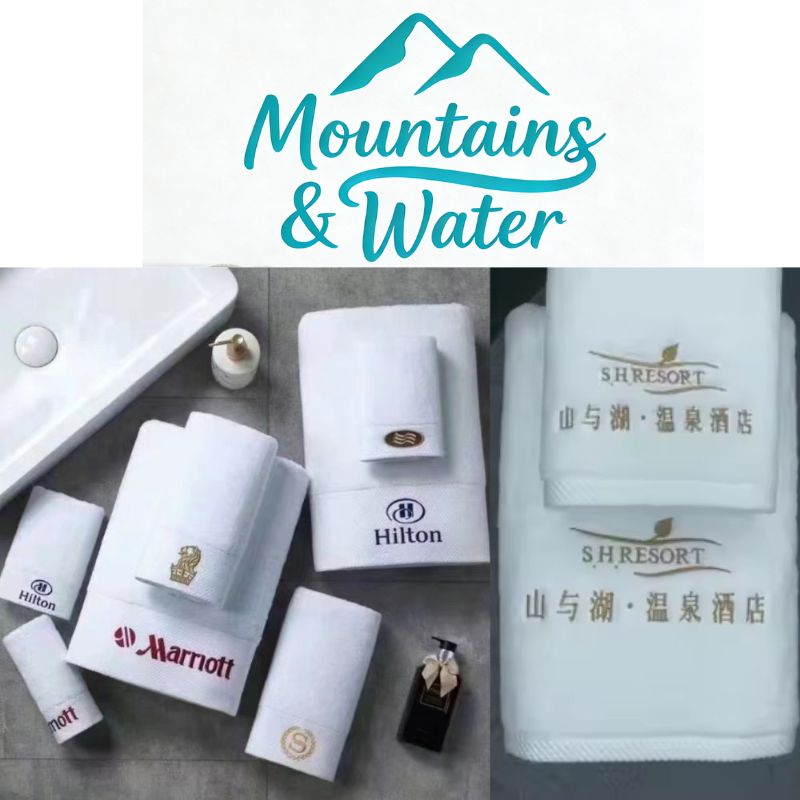
Custom logo printing or weaving on Turkish beach towels serves both aesthetic and functional purposes, especially for businesses seeking brand visibility. Factories specializing in custom logo Turkish beach towels offer various methods such as jacquard weaving, embroidery, or screen printing, each providing distinct visual effects and durability standards.
Leveraging these customization options enables hospitality industries, resorts, and promotional merchandise providers to create unique products that embed brand identity directly into the towel’s structure. This form of branding not only elevates perceived value but also facilitates targeted marketing efforts in competitive markets.
Striped Patterns: Design Significance and Manufacturing Techniques
Striped patterns remain emblematic of traditional Turkish towels, often embodying cultural heritage through color combinations and line arrangements. These stripes are typically achieved via precision weaving techniques that require stringent control over yarn tension and color blending to ensure consistency across production batches.
In manufacturing facilities based in China, advancements in automated looms enable the replication of intricate stripe designs at scale, accommodating both standard and bespoke color palettes. This technological edge allows brands like Mountains & Water to provide tailor-made solutions without sacrificing efficiency or quality.
Weaving Processes Utilized in Cotton Blend Towel Production
- Jacquard Weaving: Enables complex patterns, including logos and multi-directional stripes, by controlling individual warp threads.
- Dobby Weaving: Used for simpler geometric designs and basic stripe formations, offering faster production cycles.
- Plain Weaving: Provides a foundational fabric structure, often enhanced with printed or embroidered elements for branding.
Chinese Factory Capabilities and Quality Standards
Mainland China hosts numerous textile factories that specialize in producing custom logo Turkish beach towels made from woven cotton blends and striped designs. These factories employ rigorous quality control procedures aligned with international standards such as OEKO-TEX and ISO certifications, ensuring product safety and environmental compliance.
Furthermore, the scalability offered by Chinese manufacturers supports small-batch bespoke orders as well as large-scale commercial productions, addressing the varying needs of global clients who seek reliable lead times and consistent product specifications. Collaborative partnerships with factories facilitate innovations in yarn sourcing, dye fastness, and finishing processes.
Sustainability Considerations in Manufacturing
With growing consumer awareness about sustainability, leading towel producers are increasingly integrating eco-friendly practices. These include utilizing organic cotton blends, low-impact dyes, and water-efficient weaving technologies. Companies like Mountains & Water often highlight their commitment to sustainable production cycles, which appeal to environmentally conscious markets.
Logistics and Export Considerations for Custom Beach Towels
Exporting custom logo Turkish beach towels from Chinese factories involves strategic planning around packaging, shipping routes, and customs regulations. Efficient logistics management ensures minimal transit damage—critical for preserving the textile's appearance and functionality upon arrival.
Moreover, understanding target market preferences regarding size, weight, and packaging aesthetics can influence factory outputs and shipping methodologies. For instance, foldable, compact packaging is favored for reducing freight costs while maintaining presentation quality for retail environments.