

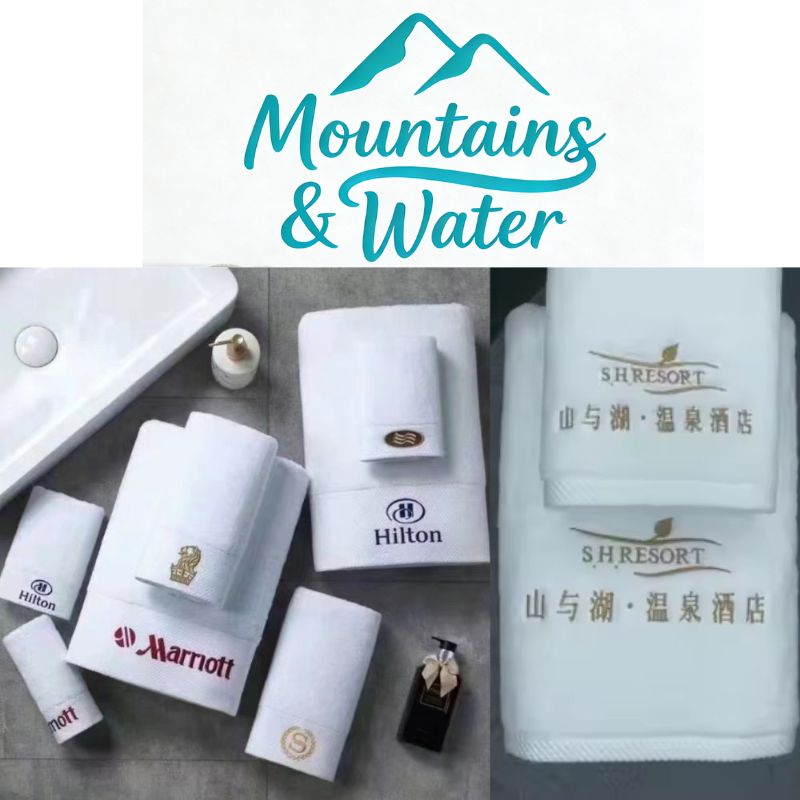
embroidered hotel towels vs printed logo towels comparison
Understanding the Basics: Embroidered vs Printed Logo Towels
In the hospitality industry, every detail counts—right down to the towels guests use. A hotel towel isn’t just a utility item; it’s part of the brand experience. Choosing between embroidered and printed logo towels can impact not only aesthetics but also durability and perceived quality.
Durability and Longevity
When we talk about longevity, embroidered towels tend to have an edge. The stitching used in embroidery embeds the logo directly into the fabric, making it resistant to fading and wear even after countless washes. In contrast, printed logos, especially those done with cheaper inks or heat transfers, can crack, peel, or fade over time.
Practically speaking, embroidered towels stand up better under rigorous laundering cycles—a must for hotels where towels see heavy use daily. However, the flip side is that embroidery uses heavier thread, which may affect the softness of the towel's surface slightly.
Visual Appeal and Brand Perception
Embroidered logos often exude a sense of craftsmanship and premium quality. The raised texture and depth created by threads give a tactile richness that printed designs sometimes lack. This “touch factor” can subtly communicate to guests that the hotel pays attention to detail.
Printed logo towels can be quite vibrant, though, especially when complex color schemes or photo-realistic designs are needed. Digital printing techniques allow for a wider range of colors and gradients that embroidery simply cannot replicate. But, if not executed with high-quality inks and proper curing, prints risk looking cheap quickly.
Cost Implications
- Embroidery: Typically more expensive upfront due to labor and materials. Setup costs for embroidery machines and digitizing the design add to this.
- Printing: Generally lower initial cost, especially for small runs or intricate multicolor logos.
That said, considering lifespan and replacement frequency, embroidery might offer better long-term value despite the higher initial spend. Budget-conscious operations should weigh these pros and cons carefully.
Customization Flexibility
If your brand’s image leans toward minimalist or classic styling, embroidered towels fit perfectly. They maintain elegance without unnecessary fuss. But for brands wanting bold, colorful statements or photographic imagery, printed towels open doors that embroidery simply can’t.
That said, with advances in technology, some companies—including notable ones like Mountains & Water—are blending both methods creatively, offering embroidered logos with subtle printed accents for a unique look.
Maintenance and Care
Embroidered towels demand specific care to preserve stitches—gentle washing cycles, avoiding harsh detergents, and minimizing tumble drying heat. Failing to do so risks thread fraying or loosening.
Printed towels are less sensitive to mechanical stress but highly vulnerable to heat and chemicals that degrade ink. Over time, frequent washing damages prints faster than embroidery.
Environmental Considerations
From an eco-conscious perspective, embroidery typically involves fewer chemical processes compared to printing, which may involve solvent-based inks or water-intensive treatments. On the other hand, embroidery uses synthetic threads that may not always be biodegradable.
Hotels aiming for sustainable branding might want to ask suppliers about the specific materials and practices involved before deciding.
Which One Should Your Hotel Choose?
There’s no one-size-fits-all answer. If durability and a high-end tactile feel are priorities, embroidered towels are usually the safer bet. For creative freedom and budget flexibility, printed logos offer compelling options.
Personally, I think many upscale boutique hotels gain extra brand prestige through subtle embroidery on their towels. It’s a small touch that guests subconsciously notice and appreciate.
Still, every establishment has unique needs. When selecting branded towels, consider guest expectations, laundry capabilities, and long-term costs. Getting samples from respected providers—like Mountains & Water—can provide tangible insights into what works best for your property’s style and operation.