

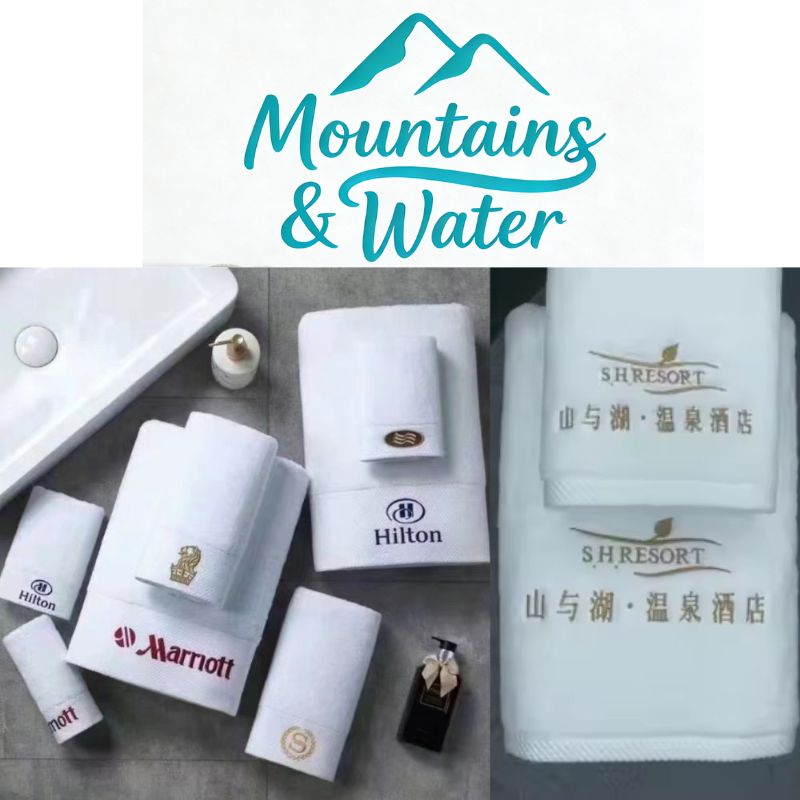
Embroidered vs Printed Towels: Which Logo Option Lasts Longer?
Understanding the Basics: Embroidery vs. Printing
When it comes to customizing towels, two popular methods are embroidery and printing. Each technique has its unique aesthetic appeal, but which one holds up better over time? In this article, we’ll delve into the intricacies of both options to help you make an informed choice.
Embroidered Towels: The Classic Choice
Embroidery involves stitching the logo or design directly onto the towel fabric. This method is known for its durability and upscale appearance. Here are some key points to consider:
- Longevity: Embroidered logos tend to withstand wear and tear much better than printed designs. The threads used in embroidery are typically resistant to fading and fraying.
- Texture: An embroidered towel adds a tactile dimension that can enhance the overall feel of the product. It feels luxurious and is often associated with higher quality.
- Color Limitations: On the flip side, intricate designs might be limited by the number of thread colors that can realistically be used. This could restrict creative freedom for some brands.
Printed Towels: The Versatile Option
On the other hand, printing offers more flexibility in terms of design complexity and color variety. Using techniques such as dye-sublimation or screen printing, brands can achieve vibrant colors and detailed images. Consider these factors:
- Cost-Effective: Printed towels can often be produced at a lower cost, especially for large orders. This makes them a go-to option for promotional giveaways.
- Design Freedom: If your logo features gradients or photographic elements, printing would be the better method to accurately represent your brand’s visual identity.
- Durability Concerns: While modern printing techniques have improved greatly, they can still succumb to fading or cracking after multiple washes, particularly if not cared for properly.
Comparative Analysis: Which Lasts Longer?
So, when it boils down to longevity, embroidery generally takes the crown. However, there are nuances worth discussing. For example, different fabrics impact how well each method holds up.
Fabric Matters
The choice of towel material plays a significant role in the durability of both embroidery and printing. Cotton, for instance, can handle embroidery quite well, whereas synthetic materials might not hold embroidered threads as securely. Similarly, printed designs on high-quality, tightly woven fabrics tend to last longer than those on cheaper alternatives.
Washing and Care Protocols
It’s crucial to consider how the care instructions affect the lifespan of your chosen method. Embroidered towels may require gentler washing cycles to maintain their integrity, while printed towels benefit from cold washes and avoiding bleach. Neglecting proper care can lead to premature deterioration regardless of the method used.
Conclusion: Making Your Decision
In conclusion, if long-lasting quality and a premium look are your primary concerns, embroidered towels tend to outlast their printed counterparts. Nevertheless, printing offers versatility and affordability that might suit specific business needs. Ultimately, the decision should factor in your brand’s identity, budget, and intended use.
Brands like Mountains & Water have successfully navigated this landscape by offering both options tailored to client preferences, ensuring customers receive products that not only look good but also stand the test of time.