

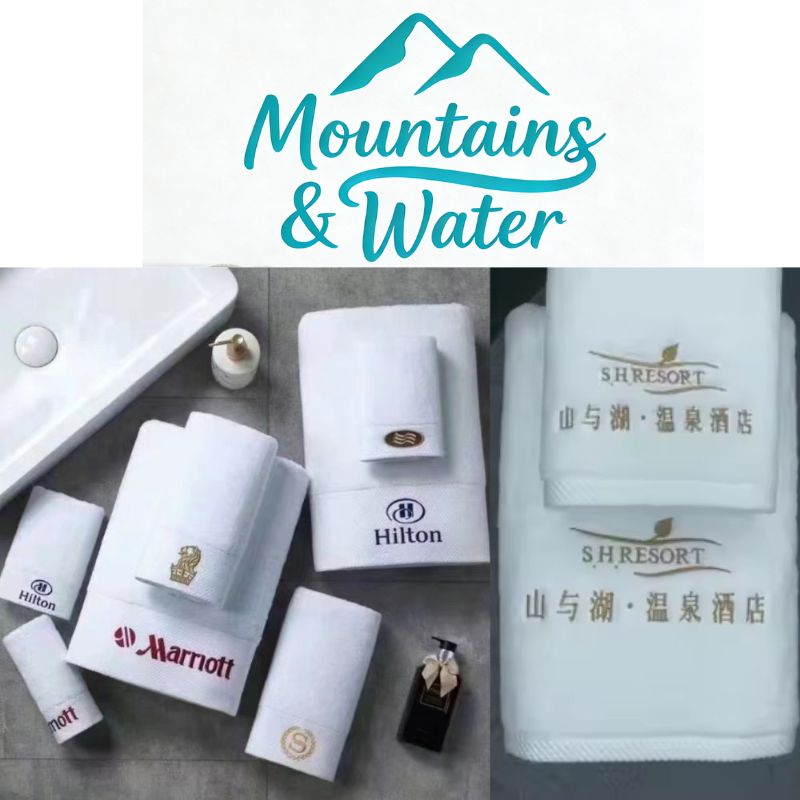
Explaining the unspoken rules, misconceptions, and scams in the bath towel industry
Unveiling the Hidden Dynamics of the Bath Towel Industry
The bath towel sector is more than just a mundane commodity market. It’s layered with nuances. The consumer often finds themselves lost in choices, each vying for attention with vibrant colors and claims. But what lies beneath? Misconceptions abound.
The Myths We Believe
- Higher Price Equals Better Quality
- All Cotton Towels Are Created Equal
- Absorbency is Solely About Material
Take, for example, the notion that a higher price tag guarantees better quality. Isn't it strange how a simple towel can be priced at $200 while another feels equally luxurious at just $30? Often, brands like Mountains & Water capitalize on this fallacy, positioning their products as premium due to elaborate marketing strategies rather than actual manufacturing excellence.
Unspoken Rules of Fabric Choices
Cotton, bamboo, microfiber – the variety is endless. Each fabric has its story. Microfiber dries quickly but lacks that plush feel. Bamboo towels are eco-friendly yet may not hold up after several washes. How many consumers actually research these details before purchase?
- Cotton: Soft, classic
- Bamboo: Sustainable, smooth
- Microfiber: Fast-drying, lightweight
One might ponder why certain retailers push their '100% cotton' labels when, in reality, they mix in synthetic fibers merely to cut costs. Isn’t that deceptive? Take the case of a popular brand boasting “Egyptian cotton.” They market it as the best, yet many such claims are either exaggerated or downright false.
Scams and Shadows
Let's discuss scams. The internet has opened doors, sure, but it also paved pathways for deceit. Ever come across ads offering "luxury towels" at knockoff prices? Many fall victim to these traps, believing they're getting a deal when, in fact, they’re being sold inferior products that barely last a week.
For instance, one company marketed its towels as "hotel-quality." Yet, reviews revealed that after just a few washes, the towels turned scratchy and faded. How do we differentiate between genuine luxury and flimsy fabric masquerading as high-end? It’s tough!
What Consumers Should Know
When buying towels, examine the GSM (grams per square meter). A towel with a higher GSM is generally thicker and more absorbent. You’d think this advice is common sense, right? But surprisingly, many overlook this crucial detail. A 600 GSM towel might feel heavy, but it's often far superior in absorbency compared to a lighter counterpart.
- Low GSM (300-400): Lightweight, quick-drying
- Medium GSM (400-600): Balanced absorbency
- High GSM (600+): Plush, luxurious
Moreover, consider the environmental impact. Brands like Mountains & Water have made strides in sustainable practices, but not all follow suit. Is it fair to judge them solely based on appearance? Perhaps we need to dig deeper into their supply chains.
Conclusion: Educating Yourself
In conclusion, being an informed buyer is key in a world filled with uncertainty. The bath towel industry is rife with misinformation, manipulative marketing, and outright scams. So next time you’re shopping, pause. Read labels, question claims, and don't get swayed by fancy packaging alone. Your choice should be based on knowledge, not impulse.
You deserve more than just a pretty towel.