

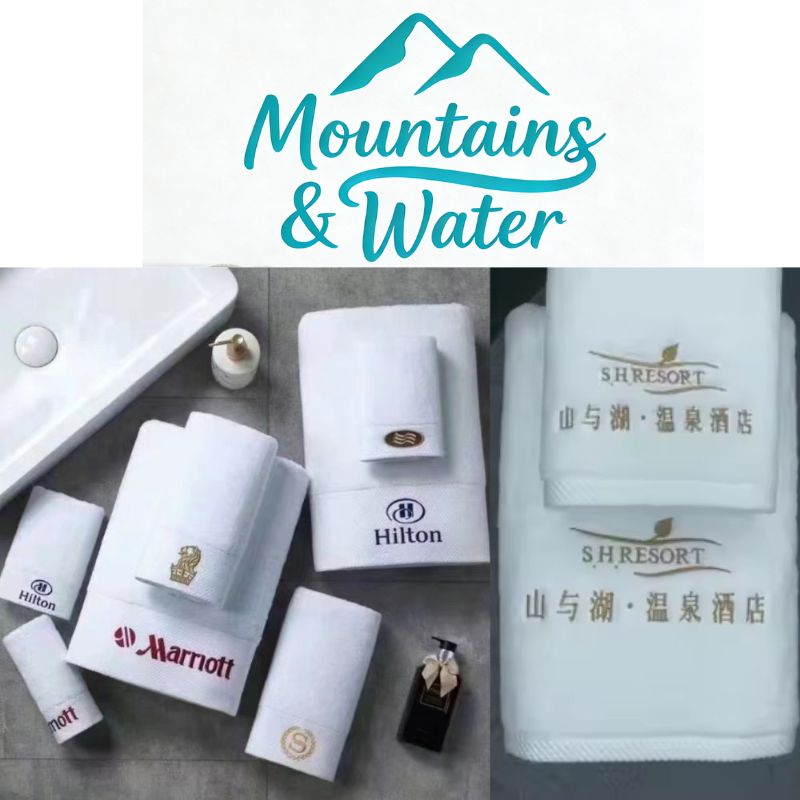
how to choose between different printing methods for towels
Understanding the Basics of Towel Printing Techniques
When it comes to customizing towels, the choice of printing method can significantly impact both the aesthetics and durability of the final product. Towels present a unique challenge due to their textured surface and absorbent nature, which means not all printing techniques will yield optimal results. Before diving into options, consider the towel's fabric composition, the intended use, and the complexity of your design.
Common Printing Methods for Towels
Here’s a breakdown of the most prevalent printing methods used in the industry:
- Screen Printing: A time-tested technique that involves pushing ink through a mesh screen onto the fabric. It’s cost-effective for bulk orders but can be tricky on terry cloth because ink tends to settle between loops rather than on the surface.
- Heat Transfer Printing: Designs are printed onto special transfer paper and then heat-pressed onto the towel. This allows for complex, multicolor images but may affect the softness and absorbency of towels.
- Embroidery: Although not strictly printing, embroidery is popular for its durability and premium look. However, it adds texture and weight, which might not suit every style of towel.
- Dye Sublimation: Effective primarily on polyester fabrics, this method uses heat to infuse dye directly into fibers, producing vibrant and wash-fast prints. Its downside? Limited fabric compatibility as cotton towels won’t take sublimation well.
- Direct-to-Garment (DTG) Printing: Similar to inkjet printing, DTG applies ink directly onto fabric. While it works wonders on smooth textiles, it struggles with the uneven looped surface of towels.
Evaluating Print Quality Versus Towel Functionality
In my professional experience, many clients overlook how printing affects the towel’s feel and performance. For example, thick layers of ink from screen printing or heat transfers can reduce absorbency and softeness, making the towel less functional. On the other hand, dye sublimation offers a seamless finish without compromising these qualities, provided you're working with the right fabric blend.
Fabric Matters: Cotton vs. Polyester
Standard towels are often 100% cotton, prized for their plushness and absorbency. Unfortunately, this limits your printing options if you want vibrant, long-lasting colors. Dye sublimation won’t work here unless blended with polyester. Screen printing and heat transfers remain reliable but expect some trade-offs.
For polyester or poly-blend towels, advancements by brands like Mountains & Water have demonstrated that sublimation can deliver striking visuals while maintaining towel performance. This tech is ideal for sports towels or promotional items demanding high-impact graphics.
Cost Considerations and Order Volume
Budget often dictates printing method selection. Screen printing shines when ordering large quantities due to lower per-unit costs post setup. Heat transfers and DTG are better suited for small runs or intricate designs but come at a higher price point. Embroidery, while expensive, is a worthwhile investment for luxury products or corporate gifts where brand perception is paramount.
Turnaround Time and Production Complexity
Another factor is lead time. Screen printing requires stencil preparation, which delays initial production but speeds up mass orders. Conversely, direct methods like heat transfer and DTG offer quicker proofs and shorter runs. If you're up against tight deadlines or need frequent design changes, these might be preferable despite slightly higher costs.
Design Complexity and Color Fidelity
Intricate, multicolor designs benefit from digital methods. Screen printing may struggle with gradients or highly detailed artwork unless separated into multiple screens—this drives costs up. Heat transfer and dye sublimation handle such complexity effortlessly, delivering precise color matching and vivid imagery.
Durability and Wash Resistance
It’s important to keep in mind how often the towels will be washed and under what conditions. Screen-printed towels generally hold up well over time, though excessive ink thickness can crack or peel. Dye sublimation inks bond at the fiber level, offering exceptional durability. Heat transfers risk fading or cracking but newer TPU-based films have improved longevity significantly.
Personal Insights: Balancing Form and Function
Actually, deciding on a printing method isn’t just about aesthetics or cost—it’s about finding a balance. For instance, if you’re producing beach towels with bold, vivid graphics that need to endure sun, sand, and saltwater washdowns, sublimation on polyester blends (like those offered by Mountains & Water) might be your best bet.
If you’re looking for a more traditional, soft cotton towel with subtle logos, screen printing or embroidery could serve you better, preserving the natural feel while reinforcing brand identity. Ultimately, understanding your end user’s needs and testing samples before committing to bulk production saves headaches down the line.