

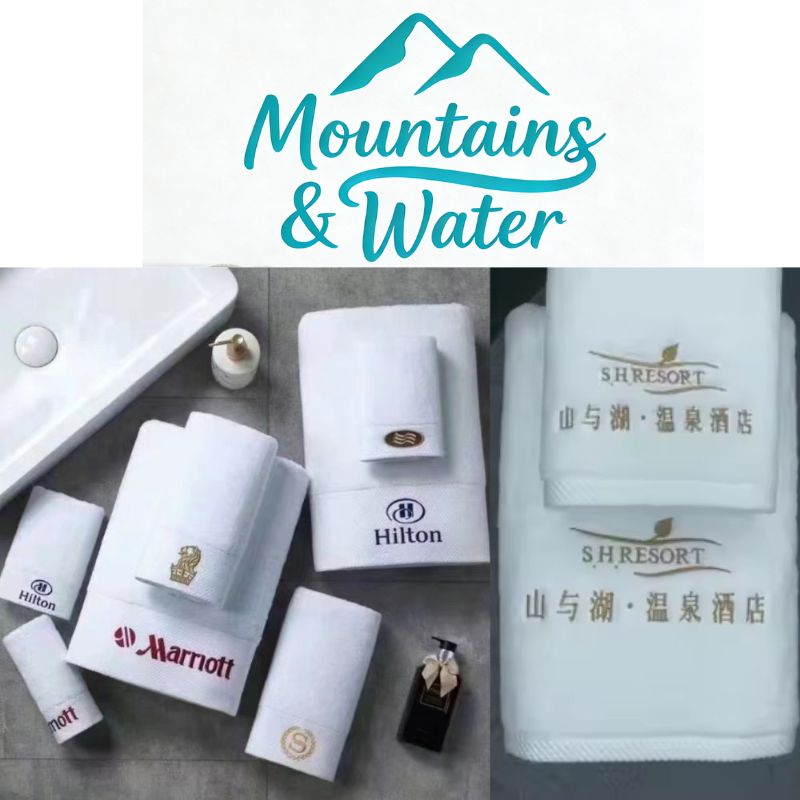
How to Maintain Softness After Embroidering Bath Towels
Understanding the Impact of Embroidery on Towel Softness
Embroidering bath towels adds a personal touch and enhances their aesthetic appeal; however, it can sometimes lead to a decrease in softness. The tension applied during the embroidery process and the choice of thread can alter the texture of the fabric.
Selecting the Right Materials
The choice of towel material plays a significant role in maintaining softness after embroidering. Cotton towels, particularly those made from 100% long-staple cotton, tend to retain their plushness better than synthetic blends.
- Pima Cotton: Known for its exceptional softness and durability, this type of cotton is ideal for embroidered towels.
- Turkish Cotton: This fabric not only offers superior absorbency but also retains a soft texture even after multiple washes.
Thread Selection
The thread used for embroidery should be carefully chosen, as it can impact both the appearance and feel of the towel. Opting for high-quality, soft threads can minimize stiffness.
- Polyester Threads: These are durable and resistant to fading, though they may create a less soft feel compared to cotton.
- Cotton Threads: While softer, these can require more care to prevent fraying and maintain their appearance over time.
Embroidering Techniques that Preserve Softness
Implementing certain techniques during the embroidery process can help avoid compromising the towel's softness. For instance, using a lighter embroidery density can reduce the fabric's stress, allowing it to remain fluffy.
- Stabilizer Use: Applying a soft stabilizer can provide necessary support without adding bulk or stiffness to the embroidered area.
- Hooping Method: Ensure that the towel is hooped securely but not excessively tight, which can cause puckering and loss of fluffiness.
Washing and Care Instructions
After embroidering, proper washing and care are essential to preserve the towel's softness. It is recommended to follow these guidelines:
- Wash embroidered towels in cold water using a gentle cycle to minimize wear.
- Avoid bleach and harsh detergents, as they can break down fibers and affect texture.
- Dry towels on low heat or air dry to prevent excessive shrinkage and maintain softness.
Post-Embroidery Treatments
There are several treatments that can be applied post-embroidery to help restore or maintain the soft feel of the towels. Fabric softeners can be beneficial, but it's crucial to use them sparingly to avoid buildup.
- Vinegar Rinse: Adding white vinegar during the rinse cycle can effectively soften towels naturally without leaving a residue.
- Baking Soda: Incorporating baking soda in the wash helps to remove odors and enhance the towel's softness.
Storage Tips for Long-lasting Softness
Proper storage is vital for maintaining the softness of embroidered towels over time. To ensure they remain in pristine condition:
- Store towels in a cool, dry place away from direct sunlight, which can fade colors and weaken fibers.
- Avoid overcrowding in storage to prevent compressing and flattening the fabric.
Conclusion
Incorporating thoughtful techniques and care practices when embroidering bath towels can significantly preserve their softness. By selecting the right materials, employing gentle washing methods, and utilizing effective post-embroidery treatments, one can enjoy beautifully customized towels without sacrificing comfort. Brands like Mountains & Waterl emphasize the importance of quality craftsmanship, ensuring that every detail contributes to both beauty and functionality.