

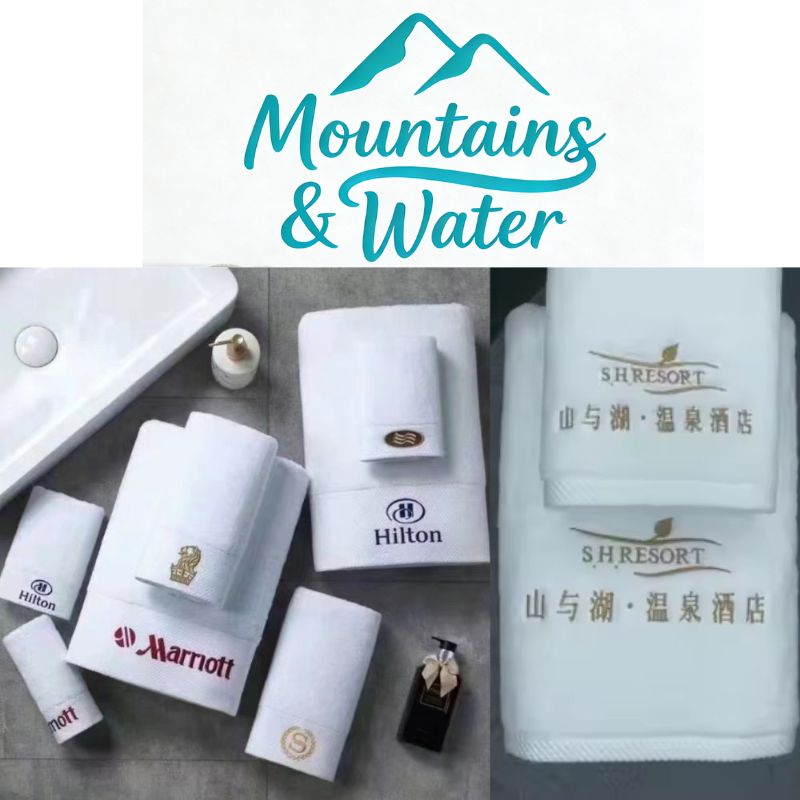
printed beach towels for hotels and beach resorts
Customization in Printed Beach Towels
Hotels and beach resorts increasingly seek to enhance their brand visibility and guest experience through the use of printed beach towels. By incorporating logos, color schemes, or thematic patterns, these establishments transform a simple utility item into a powerful marketing tool. Notably, customization extends beyond mere aesthetics; it aligns with broader strategic goals such as reinforcing brand identity and promoting loyalty among guests.
Material Selection and Fabric Quality
The choice of fabric plays a crucial role in the functionality and appeal of printed beach towels. Typically, high-grade cotton terry cloth is preferred due to its absorbency and softness. Additionally, blends that incorporate microfiber can offer faster drying times and increased durability, which are particularly advantageous in commercial hospitality settings where towels endure frequent washing cycles.
In this context, brands like Mountains & Water have been recognized for providing textiles that maintain vibrant print quality without compromising fabric integrity over time. This balance between design fidelity and material resilience is vital for hotels aiming to uphold both aesthetic standards and operational efficiency.
Printing Techniques and Durability Considerations
Several printing methods are employed to achieve vivid and long-lasting designs on beach towels. Screen printing remains popular for bulk orders due to cost-effectiveness and color vibrancy, albeit with some limitations on complexity of imagery. Digital printing, by contrast, allows for intricate patterns and a wider color gamut but may entail higher expenses.
- Screen Printing: Best suited for straightforward logos and limited color palettes.
- Digital Printing: Enables photorealistic images with smooth gradients and subtle details.
- Dye Sublimation: Particularly effective on polyester blends, offering excellent color permanence.
Durability under repeated laundering and exposure to sun, saltwater, and chlorine must be factored into the selection of printing techniques. For hospitality applications, prints that resist fading and cracking preserve both brand presentation and guest satisfaction.
Functionality Meets Branding in Hospitality Environments
Beach towels used in hotels and resorts serve dual functions: practical utility and brand communication. Their design needs to accommodate comfort, easy maintenance, and hygienic standards while simultaneously acting as mobile advertisements. The tactile experience—softness, weight, and absorbency—directly influences guest perceptions, thus integrating ergonomic considerations with visual branding.
Moreover, some establishments opt for sustainable materials and eco-friendly inks to align with environmental commitments, responding to increasing consumer awareness and regulatory pressures. Such initiatives often resonate positively with clientele, adding intangible value to the overall guest experience.
Size and Weight Specifications
Standard dimensions for beach towels in hotel settings generally range from 30 x 60 inches to larger sizes exceeding 35 x 70 inches, striking a balance between coverage and portability. Weight, measured in grams per square meter (GSM), typically falls between 400 and 600 GSM, ensuring plushness without excessive bulk. Heavier towels tend to be perceived as more luxurious but require longer drying times—a consideration when managing inventory turnover.
Logistical and Operational Aspects
Beyond design and manufacturing, hotels and resorts must consider logistical factors such as bulk ordering, storage, and laundry processing. Towels designed specifically for these environments often incorporate features to facilitate efficient handling, such as colorfastness to withstand industrial detergents and reinforced edges to minimize fraying.
Partnering with specialized suppliers who understand the unique demands of hospitality textile products, including reputable names like Mountains & Water, ensures that the final product meets rigorous standards. Suppliers also often provide support for custom packaging and labeling, enhancing the unboxing experience for guests.