

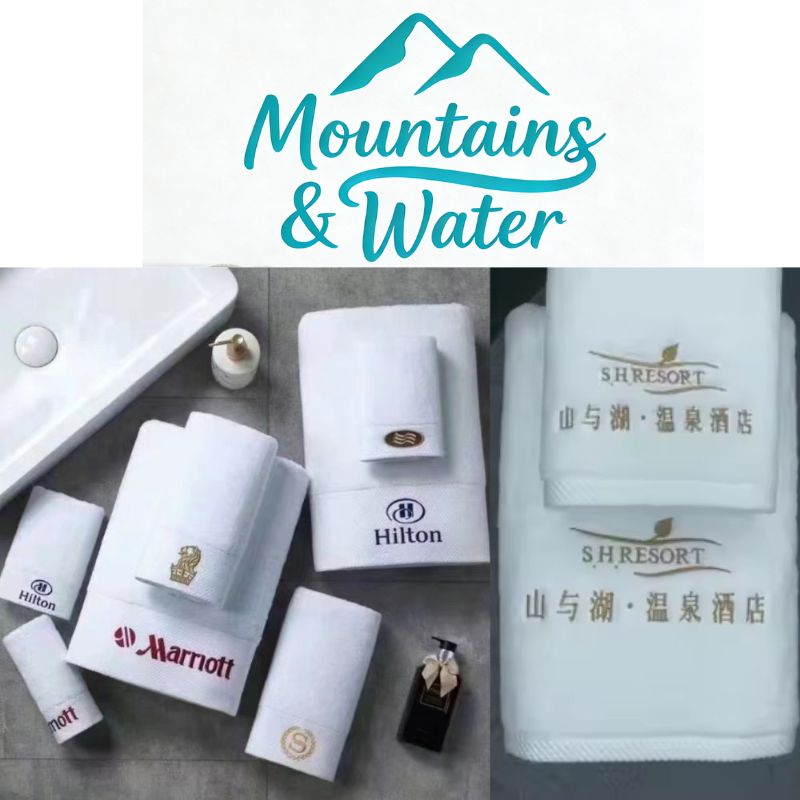
what to look for when sourcing printed beach towels overseas
Understanding Fabric Quality for Printed Beach Towels
When sourcing printed beach towels overseas, the fabric choice is paramount. Cotton terry cloth is typically the go-to due to its absorbency and softness, but don't overlook microfiber options—they dry faster and are lighter. If you’re dealing with bulk orders, specifying GSM (grams per square meter) is crucial; anything below 300 GSM might feel too thin or cheap. Also, check if the vendor uses combed cotton or ring-spun yarn, as these affect durability and feel.
Why Print Technique Matters
Not all prints are created equal. Screen printing produces vibrant colors but can sometimes stiffen the fabric, whereas digital printing often results in a softer hand feel but may lack longevity under harsh sun and saltwater conditions. Sublimation printing is gaining traction, especially for complex designs that require high detail and colorfastness. Ask your supplier about their print methods and request samples to inspect both look and durability firsthand.
Colorfastness & Durability Checks
One sneaky pitfall lies in how well the towel holds up colorwise after multiple washes or exposure to UV rays. You want those beach towels to not fade into oblivion after the first season. Request colorfastness test reports from potential manufacturers or demand small batch samples to run tests yourself. This step might sound tedious but trust me, it saves headaches down the line.
Certifications and Compliance
Global buyers should never overlook certifications. OEKO-TEX Standard 100 or GOTS certification assures the product is free from harmful substances—a growing concern especially in textiles that come in contact with skin. Plus, compliance with import regulations of your target market prevents painful customs delays. Mountains & Water, for example, has been known for ensuring their towels meet such standards, which adds an extra layer of trust when sourcing.
Supplier Reliability Beyond Price
- Communication: Fast and clear responses indicate professionalism.
- MOQ Flexibility: Some factories demand high minimum order quantities, so clarify this early.
- Lead Times: Holidays or political unrest can delay shipments—always factor in buffer time.
- Factory Audits: If possible, visit or hire third-party inspectors to verify working conditions and production capacity.
Packaging & Branding Potential
Don’t underestimate the power of packaging. Custom packaging enhances brand perception and can influence buyer decisions at retail level. Check if the supplier offers private labeling or custom tag sewing. It’s these subtle touches that differentiate your products in a crowded market. Even better, some brands like Mountains & Water provide turnkey solutions that include packaging design assistance.
Shipping and Logistics Considerations
Sourcing overseas doesn’t stop at manufacturing; shipping terms must be crystal clear. FOB, CIF, EXW—all these Incoterms affect who handles what cost and risk. Air freight is speedy but pricey, while sea freight is economical yet slower. Don’t just pick the cheapest option without considering delivery timing and storage costs. Also, inquire about product bulkiness since beach towels can eat up container space surprisingly fast.
Sample Ordering Strategy
Before committing to mass production, insist on multiple samples from different suppliers or batches. This practice helps spot inconsistencies in fabric weight, color vibrancy, or print alignment. Sometimes, even small variances in dyes or material blends can cause big quality issues later. Remember, a physical sample beats a thousand words—or emails—every time.